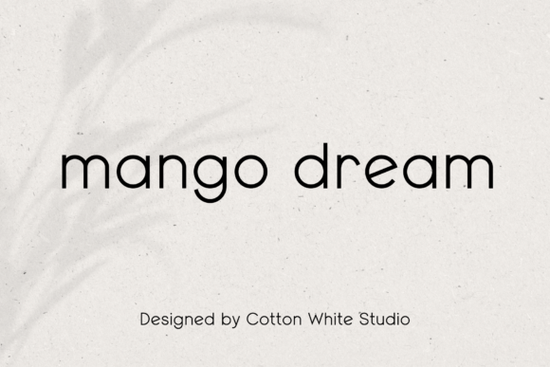
If you’ve been searching for a clean, modern sans-serif that feels friendly but still professional, Mango Dream Font might be exactly what your next project needs. Its rounded letterforms and minimal structure make it easy on the eyes whether you’re designing a logo, packaging, or social media graphic. It’s not flashy, but that’s the point. Sometimes the quiet fonts do the heavy lifting without stealing focus from your message.
What makes this font especially handy is how well it scales. Use it for small body text in a brochure or blow it up as a bold headline on a t-shirt the proportions hold up. And because it includes multilingual support, you won’t hit roadblocks if your audience speaks Spanish, French, German, or several other languages. That kind of flexibility matters if you’re selling internationally or creating content for diverse communities.
Who actually benefits from using Mango Dream?
It’s not just for graphic designers. If you run a small business and handle your own marketing materials, this font gives your flyers, menus, or product labels a polished look without needing design software expertise. Print-on-demand sellers love it for mockups because it photographs well and doesn’t get lost in busy backgrounds. Crafters use it for vinyl cutting and embroidery digitizing since the strokes are consistent and uncomplicated.
Even hobbyists making birthday cards or wall art find it approachable. The curves are soft enough to feel inviting, but the structure keeps things grounded. You can pair it with something more decorative like Fantastic Moment for contrast, or let it stand alone when simplicity is the goal.
How does it compare to other modern sans-serifs?
There’s no shortage of minimalist fonts out there, but many lean too geometric or too sterile. Mango Dream finds a middle ground. The letters have subtle personality slight variations in stroke width, gentle terminals that keep it from feeling robotic. Compare it side by side with something like Helvetica or Arial, and you’ll notice how much more warmth it carries while still being neutral enough for corporate use.
It also avoids the overly trendy “squircle” shapes that dominate some newer releases. That means it won’t feel dated in a year or two. Designers who care about longevity branding agencies, product developers, stationery shops appreciate that kind of staying power.
What file formats come with the download?
You’ll typically get both OTF and TTF files, which work across Mac, Windows, and most design apps like Adobe Illustrator, Canva, Silhouette Studio, and Cricut Design Space. Some bundles may include webfont versions (WOFF/WOFF2) if you plan to embed it on a website. Always check the product page for exact specs, but Creative Fabrica usually includes everything you need for personal and commercial projects.
Can I really use this for client work or products I sell?
Yes with one important note. Most fonts on Creative Fabrica come with a commercial license, but always double-check the specific terms after purchase. For Mango Dream, you’re generally safe to use it on logos, merchandise, digital templates, and client deliverables. Just don’t redistribute the font file itself or convert it into a downloadable product for others.
If you’re unsure, their licensing FAQ is straightforward. Better to spend five minutes reading than risk a misunderstanding later.
Any tips for pairing it with other typefaces?
- For contrast: Try combining it with a serif that has sharp serifs something like Playfair Display or Cormorant. The mix of round sans and crisp serif creates visual interest without clashing.
- For harmony: Pair it with another rounded sans like its own stylistic sibling (if available) or similar weights from Quicksand or Nunito.
- For hierarchy: Use bold Mango Dream for headlines and regular weight for subheads or captions. Avoid using it for long paragraphs unless you increase line spacing slightly those rounded forms can feel tight at small sizes.
Where should I avoid using it?
While versatile, it’s not ideal for ultra-formal contexts think legal documents, academic journals, or luxury brand packaging where traditional serifs still rule. Also, if your design already has lots of curves (organic illustrations, bubbly icons), adding this font might create visual overload. In those cases, a sharper sans-serif or slab might balance better.
And while it supports multiple languages, always test special characters if you’re working with non-Latin scripts. Even multilingual fonts sometimes miss niche diacritics or glyphs.
Quick checklist before you start:
- Install both OTF and TTF versions different apps prefer different formats.
- Test readability at small sizes if using for body text.
- Check kerning pairs manually in headlines auto-kerning doesn’t always catch awkward spacing.
- Save a backup of the original files never edit the font directly unless you know how to preserve licensing info.
Fonts like this don’t shout they serve. And sometimes, that’s exactly what your project needs: a reliable, quietly confident typeface that gets the job done without drama. Give it a try next time you’re stuck between “too plain” and “too much.” You might find it’s just right.
Download Now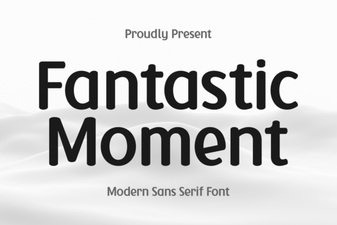 Fantastic Moment Font: Creative Design and Diy Project Ideas
 Baby Boho Fonts for Modern, Creative Designs
 Barbie Retro Font Design Guide
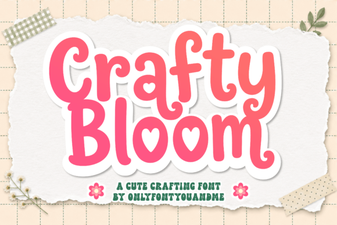 Handcrafted Charm: the Crafty Bloom Font
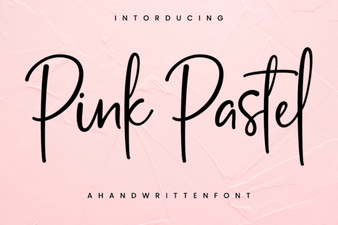 Pink Pastel Fonts for Creative Design Projects
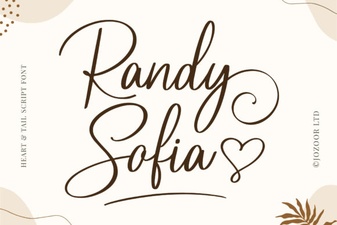 Download Randy Sofia Font for Creative Projects